Home / Articles
PDO Thread Lift Korea 2026: Complete Guide for US Patients
Home / Articles
PDO Thread Lift Korea 2026: Complete Guide for US Patients
The problem is that thread lifting in Miami is expensive, often performed by aestheticians rather than physicians, and designed primarily for patients in their 50s and older seeking dramatic jawline redefinition. For someone in her 30s pursuing preventive lifting, jawline definition, and a subtle lifted appearance without obvious surgery, the options in the US feel either too aggressive or too surface level. Seoul has spent the last 15 years perfecting thread lifting technology and technique for exactly your demographic: young professionals seeking proactive skin investment.
By the end of this guide, you'll understand the complete landscape of PDO thread lifting in Korea, how it fits into a broader well-aging strategy, what you'll actually pay in 2026, how recovery works for someone with an active Miami lifestyle, and why Dr. Byung-Chil Cho's approach to thread placement differs from what you'd receive in Florida. This article covers what PDO thread lifting is, the science and technique, and why Korean physicians have refined it beyond what most US clinics offer. You'll learn how thread lifting works as prevention, why your 30s are the ideal time to start, and how threads work synergistically with other non-surgical treatments. You'll understand the Lupiel combination protocol and how PDO threads stack with Thermage FLX and skin boosters to create results that compound. You'll discover realistic costs, recovery timelines, and results with 2026 pricing post-VAT removal, exactly when you'll see changes, and how long results last. Finally, you'll get everything a solo traveler needs to know: logistics, timeline, what to pack, and how to document your results for your audience.
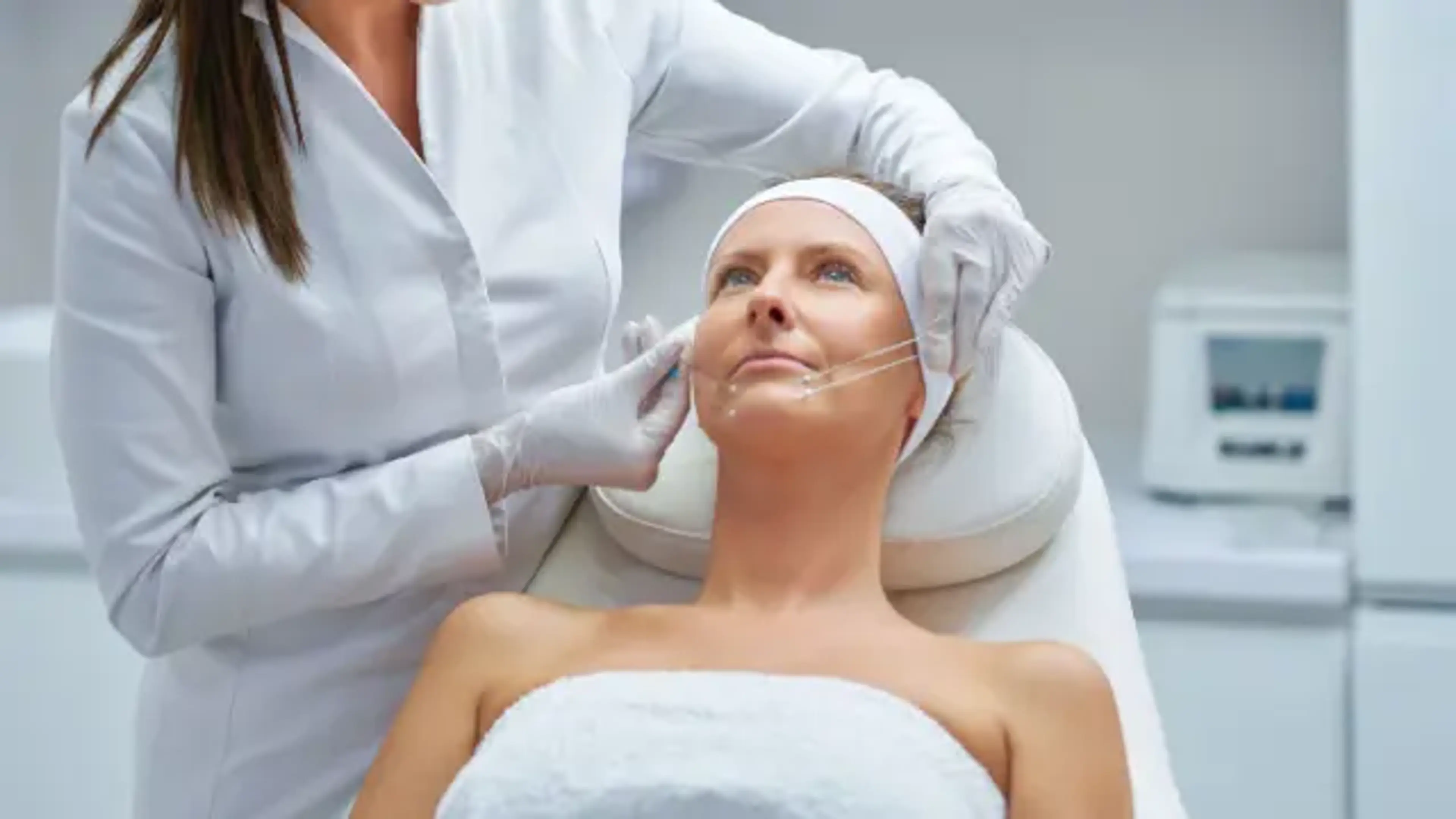
PDO is a biocompatible polymer that has been used in surgical sutures for over 30 years and is FDA-approved with a proven safety record. The threads used in PDO thread lifting are actually the same material that surgeons have been placing inside human bodies for decades to close surgical wounds. When placed under the skin in a carefully designed pattern, PDO threads accomplish two things simultaneously: they mechanically lift sagging tissue and stimulate collagen production as the body absorbs the thread over 6 to 12 months.
Korean clinics use PDO threads that are finer, smoother, and more precisely manufactured than most US equivalents. This precision allows for subtler lifting and more natural-looking results that don't scream "I had a procedure." The difference is significant: a thread from a Korean manufacturer has been refined through 20 plus years of continuous innovation, while many US clinics source generic threads that are adequate but not optimized.
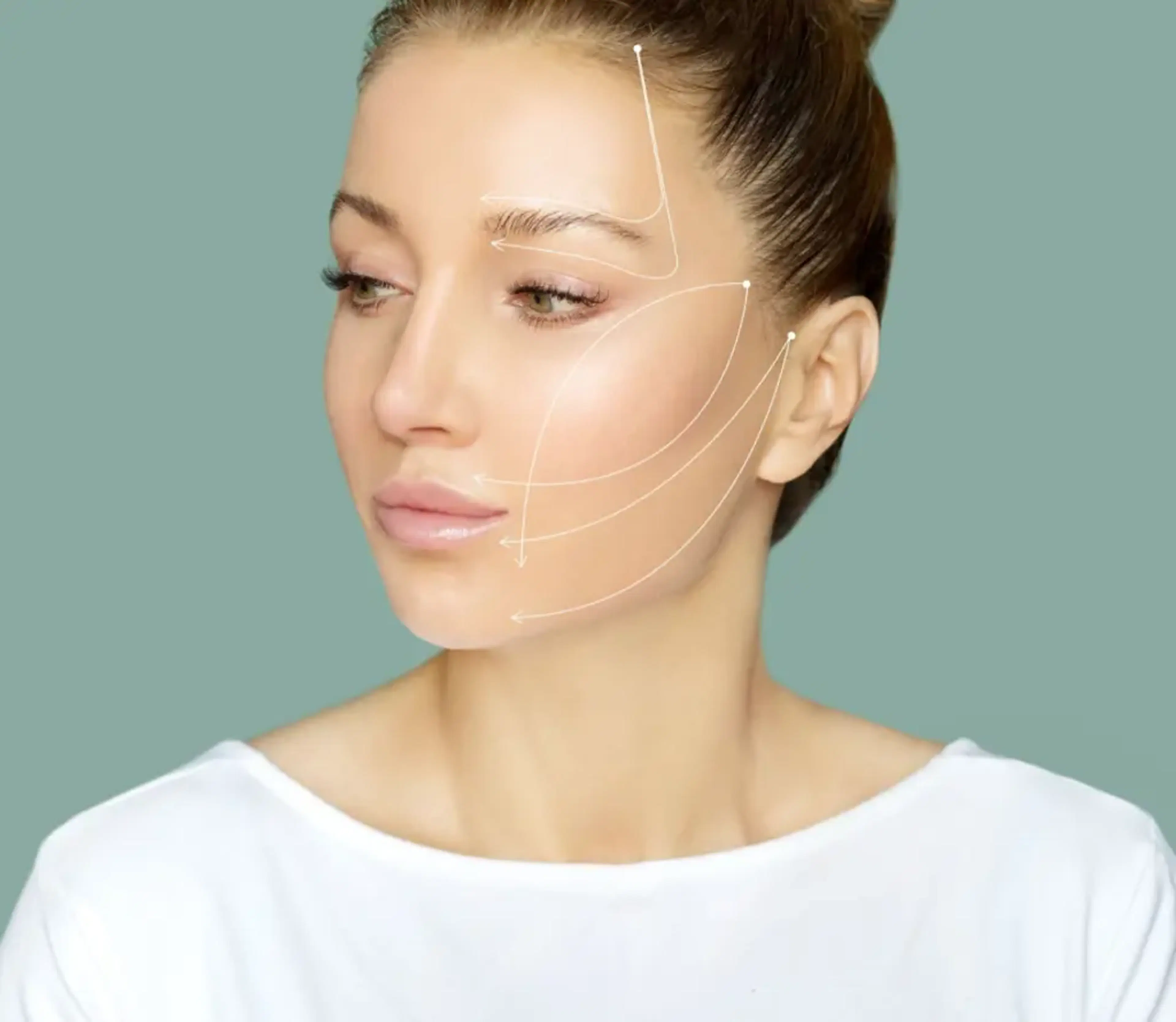
There are two primary thread types: smooth PDO, which works primarily for collagen stimulation, and barbed or screw PDO, which is designed for mechanical lift. Lupiel uses both strategically depending on placement and goal. A smooth thread under the cheekbone might stimulate collagen remodeling, while a barbed thread along the jawline provides structural definition. This isn't a one size fits all approach; it's engineered for your specific anatomy.
Why do Korean manufacturers lead in thread technology? They've invested in manufacturing standards that exceed what most Western factories prioritize. Korean thread innovation isn't driven by cost reduction; it's driven by aesthetic precision. The barbs are engineered to specific angles, the thread gauge is calibrated for different facial depths, and the absorption timeline is predictable and consistent. When Dr. Cho places threads, he knows exactly how they'll behave, where they'll settle, and how they'll stimulate collagen.
Dr. Byung-Chil Cho shares his perspective: "PDO threads are not new. They've been in surgical use worldwide for decades. What's evolved dramatically is the precision of how Korean surgeons place them. We're not just putting threads under your skin; we're creating a structural lift pattern that respects your natural facial proportions. At 36, your collagen is still responsive, which means threads work beautifully as a preventive tool."
PDO threads are absorbed by the body over 6 to 12 months and work primarily through initial mechanical lift plus subsequent collagen stimulation. They're ideal for preventive lifting and early laxity, with results lasting 12 to 18 months even after thread absorption because the collagen remodeling continues. PCL threads (polycaprolactone) follow a different timeline. They're absorbed more slowly over 24 to 36 months, provide longer mechanical support, and work better for patients seeking more dramatic lifting. PCL threads are more commonly used for lower face and jawline definition because they maintain structural support longer.
At Lupiel, Dr. Cho often uses a hybrid approach: PDO threads in the midface and temples where subtle lift is the goal, and PCL threads in the jawline where structural definition is desired. This combination gives you the best of both worlds. Your temples get the collagen-stimulating benefit of PDO, while your jawline gets the sustained mechanical support of PCL.
For Sofia's 36-year-old preventive profile, PDO is the primary choice, with possible PCL integration in the jawline if jaw definition is a concern. The recovery profile comparison shows that PDO has slightly shorter initial swelling while PCL has slightly longer initial firmness because you'll feel the threads supporting the lift. The choice between them isn't arbitrary; it's determined by your facial anatomy and your specific aesthetic goals.
Factor | PDO Thread | PCL Thread |
|---|---|---|
Absorption Timeline | 6–12 months | 24–36 months |
Primary Effect | Collagen stimulation plus initial lift | Sustained mechanical lift |
Best For | Preventive, subtle lift | Dramatic jawline, lower face |
Result Longevity | 12–18 months | 18–24 months |
Recovery Firmness | Minimal | Moderate (2–4 weeks) |
Ideal Patient Age | 30s–40s preventive | 40s-plus correction |
Your 30s are the optimal window for preventive aesthetic intervention. Your collagen is still abundant, making threads more effective, and your skin elasticity is high, meaning subtle placement creates visible results. You have the advantage of starting early before significant volume loss occurs. The well-aging movement, documented by the Wall Street Journal in November 2025 as a major shift in how affluent American women approach beauty, is fundamentally about maintenance and optimization rather than correction.
Think of thread lifting at 36 as equivalent to getting preventive dental work. You're maintaining structure and function before problems emerge. You're not waiting until your jawline loses definition; you're supporting it while it's still resilient. You're not waiting until your midface hollows; you're enhancing it while your skin can still respond to lifting. This preventive approach compounds over time. Starting threads at 36 means you maintain youthful appearance through your 40s and 50s with fewer total procedures than someone who waits until sagging is obvious.
Specific preventive outcomes for 30-somethings include subtle jawline definition, creating the appearance of refined structure without the rigidity of surgical repositioning. You'll notice cheek lift that supports the midface without obvious change, temple lift that prevents the hollowed-out look that develops in your 40s, and subtle neck tightening that prevents tech neck and early sagging from accumulating. These aren't dramatic transformations; they're refinements that compound into sustained youthfulness over time.
Dr. Byung-Chil Cho explains the difference in philosophy he observes: "I see two very different approaches in my practice. American patients often arrive at 50 saying, 'I want to look like I did at 40.' Korean patients often arrive at 35 saying, 'I want to look like I do now, for as long as possible.' Threads are a perfect tool for that second philosophy. You're not correcting a problem; you're maintaining and optimizing what you already have."
Results from thread lifting develop progressively, and understanding the timeline helps you set realistic expectations. In the immediate first week, you'll see a subtle lifting effect visible despite significant swelling. Your face will look slightly fuller and lifted, but results are only partially visible because swelling dominates the appearance. This is normal and temporary.
Weeks 2 to 4 represent a critical turning point. Swelling resolves substantially, and you see the true mechanical lift the threads are providing. Your jawline appears more defined, your midface appears slightly lifted, and subtle but noticeable changes become apparent to people who see you regularly. By the end of week 4, most people who know you will recognize something is different, though they may not know you had a procedure.
Months 2 to 3 bring collagen remodeling. The skin appears firmer overall, and results become more natural-looking as the initial tightness softens and integrates with your natural tissue. Results continue to improve subtly through month 3 as collagen regeneration peaks. Month 6 through 12 represents maximum collagen stimulation effect. Skin texture improves as a secondary benefit of thread-stimulated collagen, and results remain stable as threads are gradually absorbed.
Month 12 to 18 is important to understand: even after thread absorption, results persist due to collagen remodeling. You won't experience sudden collapse; instead, you'll notice gradual softening of the lifted effect over several months. At 36, with healthy collagen, thread results should look natural and maintainable. You're not expecting a 10-year transformation; you're expecting refinement that compounds over time with preventive maintenance.
PDO thread lift creates mechanical lift through threads plus collagen stimulation. It works best for specific structural concerns like jawline definition and midface support. The mechanical effect is visible immediately, sustained results last 12 to 18 months, and it's the ideal starting point for 30s preventive strategy.
Thermage FLX uses radiofrequency to heat dermal collagen, triggering reorganization and new collagen synthesis. It works best for overall skin tightening, improving skin texture, and treating fine lines. Results develop gradually over 3 to 6 months, last 1 to 2 years, and work throughout the entire face. Thermage is better for diffuse laxity versus specific structural concerns.
Skin booster treatments using products like Rejuran, Juvelook, or Revive provide hydration plus growth factor stimulation. They work best for skin quality, texture, radiance, and fine lines. Results are primarily skin quality improvement rather than structural lift, become visible at 2 to 4 weeks with peak results at 3 months, and last 6 to 12 months. Skin boosters are ideal as complementary treatments.
The decision framework is straightforward: thread lift equals structural definition, Thermage equals comprehensive skin tightening, and skin booster equals quality and radiance. Sofia at 36 should prioritize threads first if jawline definition is a goal, or Thermage first if overall face tightening is the primary goal, then add skin boosters for quality.
Treatment | Mechanism | Best For | Timeline | Duration | Cost |
|---|---|---|---|---|---|
PDO Thread Lift | Mechanical lift plus collagen | Jawline, midface structure, preventive | Immediate visible; peak week 2-4 | 12-18 months | $1,200-$2,000 |
Thermage FLX | RF collagen heating | Overall tightening, texture, fine lines | Gradual 3-6 months | 12-24 months | $2,500-$4,500 |
Skin Booster | Growth factors plus hydration | Skin quality, radiance, fine lines | 2-4 weeks; peak 3 months | 6-12 months | $400-$800 |
Combination | Multiple mechanisms | Comprehensive rejuvenation | Mixed (immediate plus gradual) | 12-24 months | $4,200-$7,500 |
Choose threads first if your primary concern is jawline definition or midface support. Threads are also ideal if you're seeking immediate visible results because they show effects within days rather than months. Choose threads as a standalone if you want a single treatment that delivers results without requiring multiple appointments.
Combine threads with Thermage if you want comprehensive lifting through both structural support and skin tightening. This requires spacing treatments with threads first, Thermage 2 to 3 weeks later, and skin booster in month 2. You're building a preventive protocol for the next 18 to 24 months that compounds results systematically.
Sofia's ideal protocol based on her profile looks like this: threads in month 1 for jawline plus midface support; Thermage FLX in month 2 for comprehensive tightening; skin booster in month 3 for radiance plus hydration. Then return for maintenance boosters every 6 months, threads every 12 to 18 months, and Thermage every 18 to 24 months. This integrated approach creates compounded results: mechanical lift plus RF tightening plus skin quality improvement equals far superior outcomes compared to any single treatment.
Dr. Young-Joon Cho, dermatology and regenerative medicine specialist, shares his perspective: "Sofia's generation is thinking about prevention differently. Rather than picking one treatment and hoping it works, they're building a protocol. PDO threads are ideal as the structural foundation. They give you immediate jawline and midface support. Then Thermage adds the deep tightening, and skin boosters handle quality. That's the modern preventive approach."
The synergy is powerful: threads create structure, Thermage tightens the entire dermal matrix, and skin booster optimizes skin quality at the cellular level. Each treatment makes the others more effective. When collagen is actively regenerating from threads, Thermage's RF energy works on tissue that's already primed for synthesis. When growth factors from skin boosters are present, they support and enhance the collagen cascade triggered by both threads and RF.
Timeline optimization is critical. Threads come first because the immediate effect is visible and they start the collagen cascade. Thermage follows 2 to 3 weeks later, once thread swelling resolves and RF can safely treat the full face. Skin booster follows 2 to 4 weeks after Thermage, supporting the collagen remodeling from both prior treatments. The result is a compounded outcome that's far more dramatic than any single treatment, all achieved in a single Seoul trip over 4 to 6 weeks.
Lupiel's approach differs fundamentally from most high-volume clinics. Rather than offering individual treatments, Dr. Cho designs an integrated protocol across both physicians that coordinates timing, technique, and follow-up. This isn't a factory approach where you see a coordinator, receive a standard protocol, and never interact with the treating physicians.
Your pre-trip consultation is virtual but detailed. Both physicians collaborate to design your specific protocol based on your concerns, skin type, and timeline preferences. They review photos, discuss your aesthetic goals, and plan exactly which threads, which RF settings, and which skin booster will work best for your face.
Your in-Seoul protocol follows a carefully orchestrated schedule. Days 1 to 3 involve thread placement by Dr. Cho, typically 60 to 90 minutes under local anesthesia. You rest and begin initial recovery. Days 7 to 10 are when swelling resolves enough for Thermage FLX with Dr. Young-Joon Cho, typically 45 to 60 minutes with no anesthesia needed. You can manage light activity. Days 14 to 21 bring the skin booster session, 30 minutes long, with continued recovery and integration. Throughout this process, you receive remote follow-up at 2 weeks, 4 weeks, 8 weeks, and 12 weeks via Zoom with your assigned physician.
What this means for Sofia is clarity and confidence. You arrive with a clear, written protocol that both doctors understand and have collaboratively designed. Timing is optimized for safety and efficacy. You leave with a personalized maintenance schedule detailing when to return for booster threads, Thermage refreshes, and skin booster top-ups.
This is profoundly different from factory clinics. At high-volume Seoul facilities, you'd see a coordinator, receive a standard protocol, and potentially never interact with treating physicians except on procedure day. At Lupiel, your protocol is designed BY physicians, not applied FOR you by coordinators.
Dr. Byung-Chil Cho explains the approach: "The combination protocol is where Korean medicine really shines. We have access to the best devices and the expertise to use them strategically. Rather than recommending one treatment and seeing you again in 6 months, we design a protocol that works across the entire treatment journey. For Sofia, threads create the structure, Thermage reinforces the skin tightening, and the booster optimizes her skin quality. Three separate modalities, one coherent outcome."
Dr. Young-Joon Cho adds: "From the regenerative medicine perspective, we're not just treating the skin surface. We're orchestrating collagen regeneration at multiple depths. Threads, RF, and growth factors all trigger collagen synthesis through different mechanisms. When timed correctly, they compound. This is advanced aesthetic medicine that simply isn't available in most US clinics."
PDO thread lift for jaw plus midface costs $1,200 to $1,600 USD, approximately 1,500,000 to 2,000,000 KRW at current exchange rates. Thermage FLX full face runs $2,500 to $3,500 USD. Skin booster treatments using Revive cost $400 to $600 USD. If you combine all three treatments in the integration package, you'll pay $4,000 to $5,500 USD, which represents a 10 to 15 percent discount versus individual pricing.
An important note on 2026 pricing: as of January 2026, South Korea eliminated the VAT refund for cosmetic procedures. Lupiel's pricing above reflects the post-VAT removal reality. No additional refund is available. Previous international patients benefited from 10 percent VAT refunds; these no longer apply. However, even with this change, Lupiel pricing remains 40 to 60 percent below equivalent US treatments.
Financing options are available. Lupiel accepts international credit cards, bank transfers, and can provide payment plans for procedures over $3,000. What's included in your treatment cost? Doctor consultation, anesthesia for threads, the procedure itself, 90-day remote follow-up via Zoom, standard post-op medications and topicals, and detailed aftercare instructions in English.
What's not included? Flights, accommodation, meals, tourism, optional premium medications like prescription-grade retinoids, and high-end recovery supplements. Additional touch-up procedures beyond the initial protocol are separate.
Treatment | Cost (USD) | Cost (KRW est.) | Included Services |
|---|---|---|---|
PDO Thread Lift (Jaw + Midface) | $1,200-$1,600 | 1.5-2.0M | Consultation, anesthesia, 90-day follow-up |
Thermage FLX (Full Face) | $2,500-$3,500 | 3.1-4.4M | Consultation, procedure, 90-day follow-up |
Skin Booster (Revive) | $400-$600 | 500-750K | Consultation, procedure, aftercare |
Combination Package | $4,000-$5,500 | 5.0-6.9M | All three treatments, coordinated protocol, 90-day follow-up |
When you factor in the full trip, flights from Miami to Seoul cost $900 to $1,300 round-trip. Accommodation for 5 to 7 nights in a Gangnam hotel runs $900 to $1,800 depending on comfort level. Budget options average $150 per night while mid-range hotels run $250 per night. Your treatments will cost the $4,000 to $5,500 for the combination package. Incidentals like meals, shopping, and tourism add another $800 to $1,500.
Your total all-in cost: $6,600 to $10,100 USD. Now compare this to US equivalent pricing. A single Thermage FLX in Miami costs $3,200 to $5,000. A single thread lift in Miami runs $1,500 to $2,500, and it's often performed by aestheticians rather than physicians. Lupiel's combination package delivers three treatments, physician-directed care, and includes the Seoul experience for less than a single premium Miami treatment.
The value math for Sofia becomes clear when you consider annual aesthetic spending. Her typical annual spending in Miami is approximately $3,500 to $5,500. A single Seoul trip delivering three compounded treatments for $4,000 to $5,500 equals her annual US spending, but delivered in one strategic appointment rather than scattered appointments across the year. Plus, she has documentation and content from the trip.
The ROI calculation is compelling. Combination results last 12 to 18 months. Your cost per month of results equals $275 to $458. A single Miami Thermage costs $150 to $300 per month. However, Miami Thermage doesn't include jawline definition or skin quality improvement. Lupiel's protocol addresses all three dimensions. The value proposition is evident.
Days 1 to 3 after thread placement bring moderate to significant swelling that peaks at day 3 to 5. You'll see redness in thread placement areas and mild to moderate discomfort managed with acetaminophen. Strenuous activity should be avoided, but you can walk around your hotel, do light sightseeing, and sleep with your head elevated. Makeup is not recommended because it can trap bacteria.
Days 4 to 7 represent a visible turning point. Swelling begins resolving noticeably. You can start seeing the lifted effect as threads support the tissue. Redness fades mostly away. You can wear light makeup if needed and engage in light activity like walking, leisurely meals, and non-strenuous tourism. Avoid the gym, heavy lifting, and anything that elevates your heart rate significantly. Showering is fine with gentle face washing. Flying is safe after day 5 despite popular misconceptions.
Days 8 to 14 bring substantial resolution. Swelling is mostly gone. Threads feel more natural as the initial noticeable firmness decreases. The lifting effect is clearly visible. You can return to normal activities including the gym with light cardio and weights. You can sleep normally and wear makeup fully. You can safely add other treatments if planning Thermage, which is the ideal window to add it safely.
By day 10 to 14, you're safe to fly home. It's advisable to stay until day 7 minimum to resolve initial swelling, but day 5 plus is physically safe for flying. Sofia's ideal timeline looks like this: arrive Seoul on Monday, threads placed Tuesday, rest Wednesday through Thursday, light activity and sightseeing Friday through Sunday, fly home Monday. That's 9 days total, covering full swelling resolution.
If you're working from Seoul, which many of Sofia's peers do, you can return to Zoom calls by day 3 to 4 with camera positioned below shoulders and minimal facial close-ups. You're ready for in-person client meetings by day 7 to 8. No visible threads remain by day 10, and observers won't know you had a procedure unless you tell them.
Sofia has a competitive advantage that most patients don't recognize. She can create a full "Seoul Well-Aging Trip" content series documenting her treatments, recovery, and results. This content will resonate with her audience of 18,000 plus on Instagram and 6,200 plus on TikTok. Her peers in the creator economy are equally interested in preventive treatments, efficiency, and the Seoul aesthetic medicine scene.
Content milestones to document are strategic. Document your baseline face in natural light from multiple angles before treatment and save these for comparison. At day 3 when swelling peaks, create a vlog or TikTok called "This is what thread lift swelling looks like," unfiltered and authentic. This generates massive engagement because it's honest instead of the polished content everyone expects.
At day 7 when the swelling recedes, film "The swelling went down and HERE'S what I look like now" and compare to baseline. Week 2 brings "One week post-thread lift: The results are crazy," documenting daily life, activity level, and makeup use. Week 4 allows for professional-quality photo series titled "Month 1 results from my Seoul thread lift." Month 3 provides the "Three months post-thread lift: Here's what lasted" final results documentation.
Your content strategy should frame this as "I invested in preventive well-aging," not "I got a cosmetic procedure." This positions you as a wellness and longevity innovator rather than as a cosmetic patient. Your audience will respond to the educational, preventive framing. They'll share it with friends considering the same path.
Lupiel's role in supporting your content is practical. Lupiel provides recovery milestone guidance, before-and-after photography templates, and permission and hashtag strategy like #LupielClinic #WellAgingSeoul #PreventiveLifting that amplifies your content for other potential patients. You maintain full creative control and authenticity. Lupiel simply enables safe, strategic documentation.
Dr. Byung-Chil Cho endorses this approach: "Sofia's generation is comfortable documenting their aesthetic journeys. That authenticity, showing real swelling, real progression, real results, is infinitely more powerful than filtered before-and-afters. We encourage our patients to share their process. It's honest, it's relatable, and it builds trust for other patients considering the same path."
Dr. Cho brings 30 plus years of facial rejuvenation and aesthetic surgery experience to every procedure. Lupiel performs over 400 aesthetic procedures annually, with a significant proportion being thread lifting. Dr. Cho is board-certified as a plastic surgeon in South Korea and trained at leading teaching hospitals throughout his career.
His specialization is natural-looking results, not dramatic transformation. His philosophy centers on enhancement rather than change, which aligns perfectly with Sofia's preventive mindset. His unique qualification is that he developed and refined Lupiel's one-to-one personalized consultation protocol. Every patient's thread placement is custom-designed based on individual facial anatomy rather than applied from a standard template.
His reputation among international patients reflects responsiveness, clarity, and genuine care for outcomes. He doesn't just perform procedures and move to the next patient. He considers your specific face, your specific goals, and designs your specific protocol.
What does one-to-one actually mean? You meet with Dr. Cho in person during your Seoul visit for in-depth consultation. Your thread placement is designed specifically for your face, not a standard protocol applied to 100 patients. This matters because every face is unique. Your jaw structure, cheekbone height, skin elasticity, and aesthetic goals vary significantly from another patient's profile.
A template approach ignores these differences. It treats thread lifting as a commodity service where everyone receives the same threads in the same pattern. Dr. Cho's personalized approach respects your individuality. It recognizes that your face is unique and your results should be too.
The factory clinic problem is real and widespread across Seoul. Many high-volume clinics route you to patient coordinators who hand you a standard protocol. You may never meet your actual treating physician until procedure day. Communication happens through intermediaries instead of directly with the surgeon designing your treatment. Lupiel is the opposite. You design your protocol WITH the physician, not through a coordinator.
What does this deliver? Better results because treatment is truly customized to your anatomy. Greater confidence because you've met your surgeon and discussed specifics in depth. Superior communication because no coordination gaps exist between coordinator and surgeon. You know exactly what to expect because the person performing your procedure personally told you what they're planning.
English-speaking patient coordinators are available throughout your visit. Dr. Cho conducts consultations in English because clear clinical communication is a priority. He's comfortable discussing technical details, aesthetic philosophy, and recovery expectations in your native language.
WhatsApp and email support in English is available during recovery with a guaranteed 24-hour response time. Video follow-up appointments are available from the US for 90 days post-treatment. Your detailed aftercare instructions come in English with no confusion about recovery guidelines. You have direct access to Dr. Cho via messaging for urgent post-treatment questions.
Your virtual consultation is free and non-obligatory. You'll have a 30 to 45-minute session with Dr. Byung-Chil Cho or Dr. Young-Joon Cho depending on whether you're prioritizing threads or combination protocol discussion.
During this consultation, you'll discuss your aesthetic concerns, treatment goals, medical history, and ideal timeline. You'll receive a detailed, written treatment plan in English, a pricing quote specific to your needs, a recovery timeline tailored to your situation, and answers to all your questions.
After your virtual consultation, you'll receive a written protocol document in English detailing your threads, any additional treatments, timeline, costs, and payment terms. You can confirm your protocol via email or messaging. There's no pressure to decide on the call itself.
Once confirmed, Lupiel's patient coordinator helps you coordinate ideal dates for your Seoul visit, accommodation recommendations, and flight timing recommendations. Payment can be arranged via international transfer, credit card, or installment plan. You'll receive pre-treatment preparation instructions covering medications to avoid, skincare to use, and what to bring to Seoul.
Lupiel books your procedure appointments according to your pre-designed protocol. You meet your treating physician in person at your first appointment for detailed discussion of final thread placement, positioning, anesthesia type, and recovery expectations.
Procedure day typically takes 60 to 90 minutes for threads alone, with additional time if you're adding Thermage. You receive immediate post-op instructions and a 48-hour check-in message from Lupiel in English. Recovery follow-up happens at 2 weeks, 4 weeks, 8 weeks, and 12 weeks via Zoom with your assigned physician. You have email access to Dr. Cho's team for any questions during recovery.
Phone: +8225168890
Location: 7th Floor, Sangkyung Building, 669 Seolleung-ro, Gangnam-gu, Seoul, South Korea
Hours: The clinic operates on Monday and Tuesday between 10:00 AM to 1:00 PM and 2:00 PM to 7:00 PM, on Thursday and Friday between 10:00 AM to 1:00 PM and 2:00 PM to 8:30 PM, and on Saturday from 10:00 AM to 5:00 PM. The clinic remains closed on Wednesdays and Sundays.
A: Results from PDO threads typically last 12 to 18 months. Your threads are fully absorbed by the body over 6 to 12 months, but the collagen remodeling they triggered continues, so the lifted appearance persists even after the threads dissolve. At month 12 to 15, you'll notice gradual softening of the effect, not sudden collapse. Most patients schedule maintenance thread lifts every 12 to 18 months if they want to maintain the lifted appearance long-term. For preventive maintenance, annual threads plus maintenance Thermage every 18 to 24 months creates sustained results with minimal procedures.
A: The key to natural-looking threads is placement precision and restraint in the number of threads used. Dr. Cho's philosophy is enhancement, not transformation. He places threads to support and define your natural structure, not to create an obviously lifted appearance. At week 1 to 2 post-procedure, you might feel the threads are too tight, but this resolves as swelling decreases. By week 3 to 4, results look entirely natural. People who see you regularly will notice you look more defined or fresher, not that you had a procedure. That's the goal.
A: This is entirely customized to your concerns and Dr. Cho's recommendations. Some patients want jawline-only definition while others want midface support plus jawline combo. During your consultation, Dr. Cho will examine your face and recommend the placement that best achieves your goals. You're never pressured into a larger protocol than you need or want. Many Sofia-profile patients start with jawline plus midface combo using approximately 8 to 10 threads total, while others start with jawline only using approximately 4 to 6 threads. Your consultation determines the right approach for you.
A: This is extremely rare, especially with Dr. Cho's personalized approach. If you have a concern within the first 2 weeks like asymmetry or unexpected firmness, contact Lupiel immediately. Most concerns resolve naturally as swelling decreases and threads settle. If a serious concern persists, Dr. Cho will schedule a follow-up video consultation and determine whether minor adjustments are needed at future treatment. Lupiel's 90-day remote follow-up protocol exists specifically to catch and address any concerns early.
A: Spacing is better for safety and results. The standard Lupiel protocol spaces threads, Thermage, and skin boosters over 2 to 4 weeks to allow each treatment to settle and your body to respond without overloading the skin. However, threads and skin boosters can be done closer together within 1 week if medically appropriate. During your consultation, Dr. Cho will recommend ideal spacing based on your skin type and goals.
A: Pre-treatment preparation is minimal. You'll receive a detailed pre-treatment guide from Lupiel. General guidelines include avoiding blood thinners like aspirin and ibuprofen for 5 days before, avoiding alcohol for 24 hours, avoiding intense exercise for 2 days before, staying well-hydrated, and avoiding heavy sun exposure for 1 week before. Dr. Cho will provide specific medications and skincare recommendations in your pre-treatment documentation.
A: PDO threads are FDA-approved and have a 30 plus year safety history in surgery. Serious complications are rare at less than 1 percent. Possible minor side effects include temporary swelling, redness, mild discomfort, or occasional asymmetry that usually resolves with swelling. Dr. Cho's extensive experience and personalized approach minimize risk significantly. During your consultation, you'll receive detailed informed consent documentation outlining all risks and how Lupiel minimizes them.
A: Yes, absolutely. Threads can be combined with Botox or fillers if desired, though spacing is important. If you've had fillers recently within 2 weeks, inform Dr. Cho during your consultation so thread placement is optimized around the filler location. Botox and threads don't conflict; you can do both without concern.
A: The primary difference is physician expertise and thread quality. Most Miami thread lifts are performed by aestheticians using lower-cost threads following a standard template protocol. At Lupiel, Dr. Byung-Chil Cho, a board-certified plastic surgeon with 30 plus years of experience, designs your thread placement specifically for your anatomy. The threads are higher quality and the technique is more refined. You're getting a physician-directed protocol, not an aesthetician-administered template. The results, safety, and personalization are significantly superior.
A: You can fly home after day 5 to 7 when swelling is mostly resolved. If you want to spend additional time in Seoul for tourism or to combine treatments, absolutely. Many patients extend their stay to 10 to 14 days for more relaxed recovery and to add Thermage or other treatments. Lupiel coordinates with your schedule with no requirement to stay longer than necessary.
A: Lupiel offers payment plan options for treatments over $3,000. You can also use international credit cards, bank transfer, or payment platforms like Wise or PayPal. Many US patients use medical travel financing platforms like CareCredit internationally to spread payments over 6 to 12 months. During your consultation, Lupiel's coordinator will discuss all payment options available for your specific situation.
A: Yes. Lupiel's protocol includes coordination with US-based physicians if needed. Lupiel provides your US dermatologist or plastic surgeon with complete procedure documentation including photos, technique notes, and thread specifications so they can provide knowledgeable follow-up care if any concerns arise. This is especially valuable if you develop infection, unexpected asymmetry, or other complications requiring in-person assessment. You're never isolated after returning to the US.
A: This is why your personalized consultation with Dr. Cho is critical. He'll examine your face and recommend whether threads, Thermage, skin boosters, or a combination is ideal for your specific concerns. If your primary goal is jawline definition, threads are probably the priority. If your goal is overall skin tightening and texture improvement, Thermage might be first. If you want everything, the combination protocol is ideal. Trust Dr. Cho's expertise because he has no incentive to over-sell. He benefits from your optimal results and satisfaction.
A: You receive scheduled video check-ins at 2 weeks, 4 weeks, 8 weeks, and 12 weeks post-treatment. During these calls, Dr. Cho's team assesses your healing, answers recovery questions, and provides any additional guidance. You also have email and WhatsApp access for any urgent concerns between scheduled follow-ups. This protocol ensures you're never navigating recovery alone from 7,000 miles away.
A: They should be spaced. Standard Lupiel protocol uses threads first, then Thermage 2 to 3 weeks later after thread swelling resolves. Doing both on the same day risks compounding swelling and reduces the safety of anesthesia. The spacing also allows your body to respond to the threads before adding RF stimulation. During your consultation, Dr. Cho will confirm the exact spacing ideal for you.
PDO thread lifting is a preventive, precision lifting tool that's ideal for your 30s, not because you need correction, but because you're being proactive about maintaining and optimizing the structure and definition of your face. At Lupiel Clinic, Dr. Byung-Chil Cho approaches threads as a personalized structural foundation for a broader well-aging protocol. Threads create the lift, Thermage tightens the skin, and skin boosters optimize quality. This integrated approach to thread lift Korea delivers compounded results far superior to any single treatment, all achievable in a single Seoul trip.
The value proposition is clear. You're investing $4,000 to $5,500 in a comprehensive treatment protocol that delivers 12 to 18 months of results, for less than your annual US aesthetic spending. Your recovery is minimal at 10 to 14 days, then full activity resumes. Your results are natural-looking and maintainable. Your treating physicians are accessible, English-fluent, and genuinely committed to your outcome. Most importantly, you're being treated as an individual, not processed through a factory clinic, because Dr. Cho designs your protocol specifically for your face, your goals, and your timeline.